
 AVNews24Desk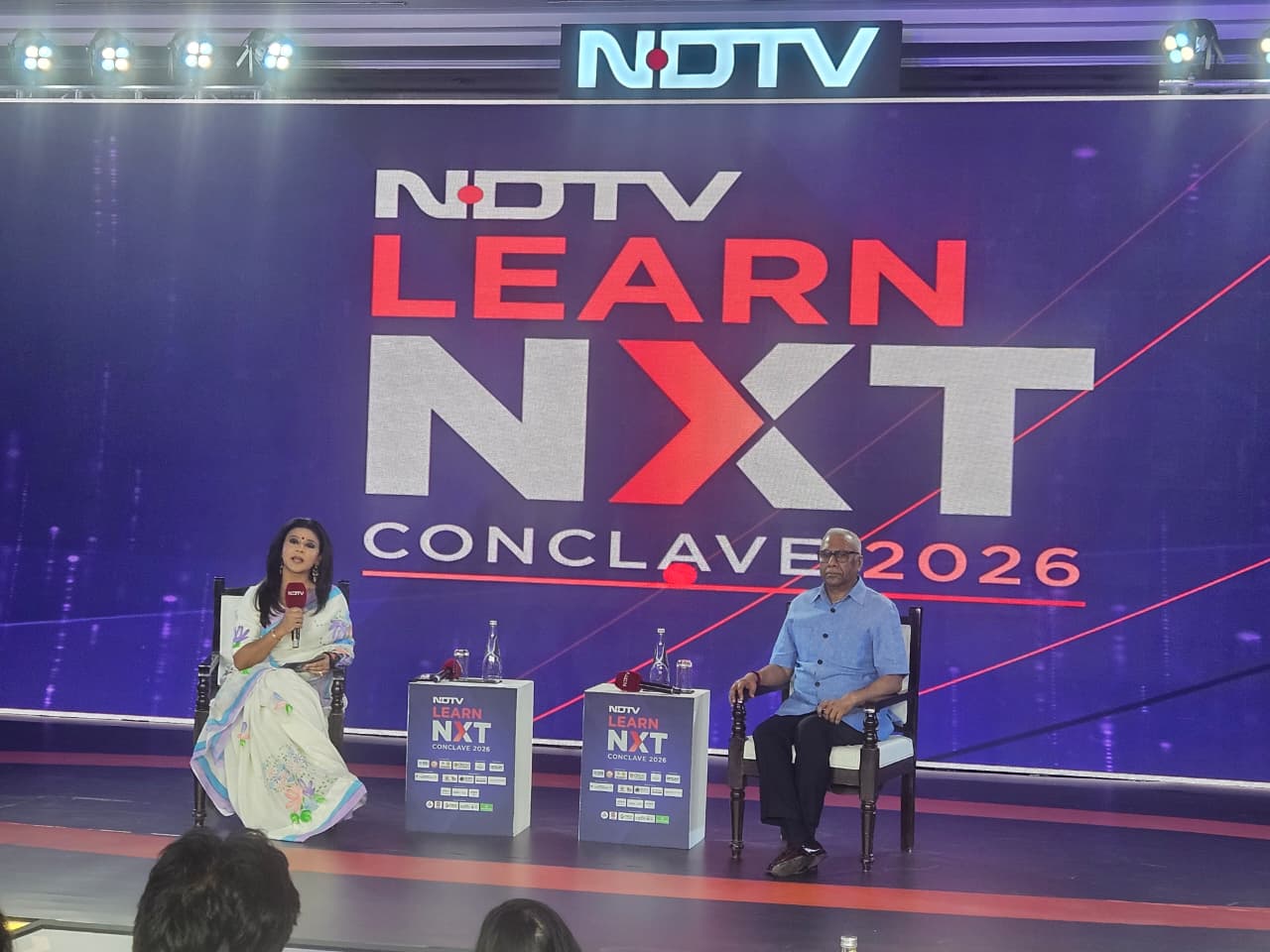
New Delhi: Deepak Bagla, Mission Director, Atal Innovation Mission, Niti Aayog, on Monday said that the mindset in India towards entrepreneurship is changing and the success of the Startup India mission is a testament to the same.
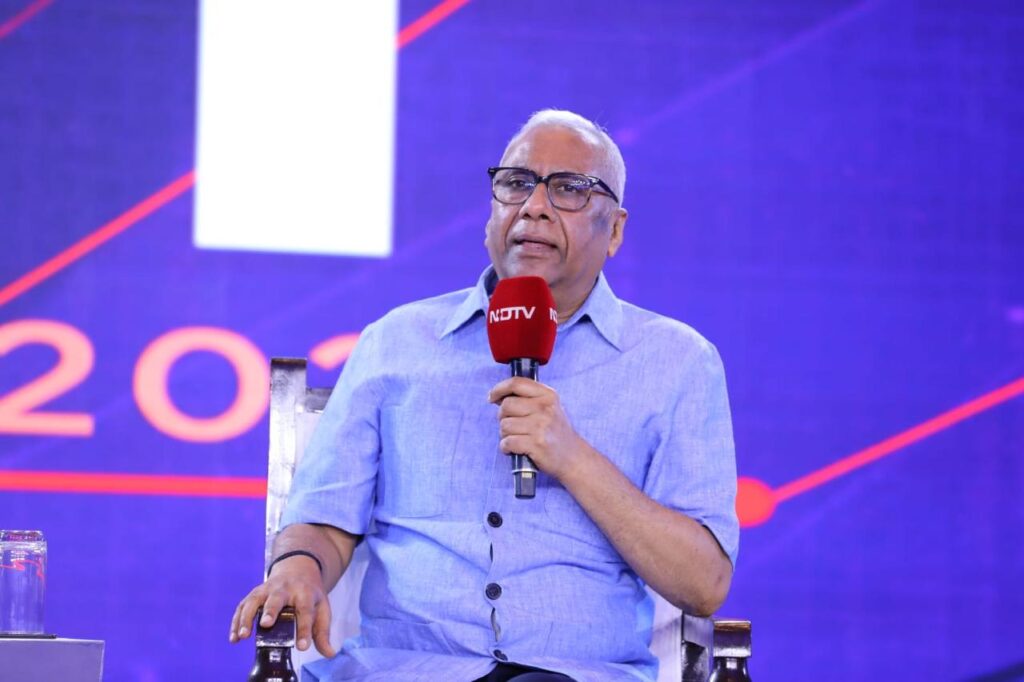
Speaking at the NDTV LearnNXT Conclave 2026 here, Bagla said entrepreneurship is no longer an alternative career choice. “I see that change happening. The Prime Minister had also said that this was about a change in mindset. Entrepreneurship is now taking a centre stage.”
Bagla said programmes like the Atal Innovation Mission, Atal Tinkering Labs, Startup India were launched to create a framework and foundation for a society that will be based on innovation and entrepreneurship.
“Startup India has been a huge success. We are number three in the world in terms of unicorns, number two in terms of startups, and number one in terms of new startups being added every day. This shows the success of the policy as well as how people have reacted to that policy and taken it to the next level,” said Bagla.
He further stated that about 200,000 startups are registered with the government and since the launch of the Atal Innovation Mission, over 1.1 crore young entrepreneurs have moved through the Atal Tinkering Labs.
Asserting the strength of the Indian education system, Bagla said there is a reason why Indian CEOs globally do so well. “It’s their ability to get a job done, to work without a playbook in a completely uncharted territory,” he stated.
On Artificial Intelligence and the changes it is bringing about in the society as well as on the job front, Bagla said the world is entering into a phase which is unprecedented in human history, which is without a playbook, and where everything is possible.
“I think this is the first time again, when we have now unleashed or are in the process of unleashing something which will be smarter than the human mind. I completely subscribe to the perspective that we are now in a completely new threshold of a new societal structure, of a new economy structure and a new structure of entire being as an individual,” Bagla said.
He further stated that AI has completely democratised knowledge.
But the technological advancement is coming at a time when the current generation is filled with anxiety, cautioned Bagla.
“It is called the anxiety generation. The question is, how is it that we can help them and guide them? The flow of information and knowledge is at a completely different level now. So, what is being attempted now is to try and prepare our generation as the next step of a future India, which has the ability to chart its own path through the unknown and the ability to both adopt and adapt to a new situation in life,” he stated.
He expressed confidence that Indians are well placed to adapt to the changing technological and work environment.
“AI is a very interesting phenomenon. In such a situation, I think one of the best suited are our next generation, as they have the ability both to adopt new ideas and to adapt to new ideas. Another thing is the ability of the Indian minds to reinvent themselves constantly. This generation is at a different level. And the Indian generation and its strong entrepreneurial streak is unbeatable,” Bagla said with confidence.
When asked whether the future of education will have degrees at its core or will India become a nation of creators, innovators and job generators by 2047, Bagla was firm in his response.
“I don’t think degrees in any case are going to have the same kind of validation or acceptance going forward.”









Some truly nice and useful info on this internet site, too I think the style has got excellent features.
Very nice post. I just stumbled upon your weblog and wanted to say that I’ve truly enjoyed browsing your blog posts. After all I’ll be subscribing to your rss feed and I hope you write again very soon!
Great post. I am facing a couple of these problems.
Pretty part of content. I just stumbled upon your blog and in accession capital to claim that I get in fact enjoyed account your blog posts. Anyway I will be subscribing in your augment or even I achievement you get admission to persistently quickly.